

The 2018 classification revolutionized periodontitis assessment, utilizing a multidimensional system of staging and grading, considering both patient and tooth-related factors․
Historical Context of Periodontal Classification
Periodontal classification has evolved significantly over time, reflecting advancements in understanding disease pathogenesis․ Early systems, like those in the 1989 AAP classification, primarily focused on radiographic bone loss and clinical attachment levels․ These earlier approaches, while foundational, proved limited in capturing the full complexity of periodontal diseases․
The 1999 classification introduced a more nuanced approach, categorizing periodontitis based on factors like rate of progression (chronic vs․ aggressive) and extent (localized vs․ generalized)․ However, limitations remained in consistently applying these criteria and predicting disease outcomes․
The need for refinement became apparent, leading to the 2018 World Workshop on the Classification of Periodontal and Peri-Implant Diseases and Conditions․ This workshop aimed to create a system that better reflected current knowledge and improved clinical utility, ultimately resulting in the staging and grading approach․

The Need for a New Classification System
Existing classifications struggled with inconsistencies in diagnosis, particularly for less experienced clinicians, creating challenges in treatment planning and research․ The 1999 system, while an improvement, lacked the precision needed to accurately predict tooth loss and disease progression․
A key driver for change was the recognition that periodontitis isn’t a single disease entity, but rather a spectrum of conditions with varying severity and risk profiles․ The 2018 workshop acknowledged the importance of considering patient-specific factors, like systemic diseases and behavioral risks, alongside clinical parameters․
The new system aimed to address these shortcomings by adopting a multidimensional approach – staging for disease severity and grading for risk assessment – offering a more comprehensive and clinically relevant framework for managing periodontal health․
Staging of Periodontitis
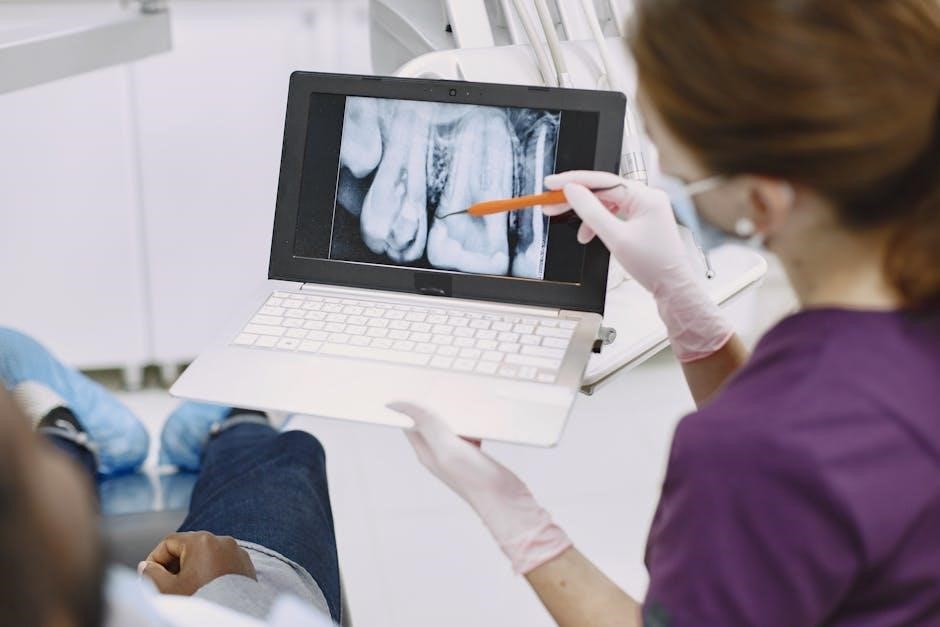
Periodontitis staging defines disease severity based on attachment loss, radiographic bone loss, and crucially, tooth loss, reflecting complexity and progression․
Stage I: Minimal Attachment Loss
Stage I periodontitis represents the initial phase, characterized by minimal attachment loss – typically 1-2mm․ Radiographic evidence reveals slight bone loss, though it may not be readily apparent․
Crucially, this stage often lacks significant clinical symptoms, making early detection challenging․ Inflammation is generally localized and responds well to non-surgical periodontal therapy․ Tooth loss is not a defining feature at this stage․
However, even minimal attachment loss signifies a breakdown in periodontal support and warrants careful monitoring and proactive patient education regarding oral hygiene practices․ Successful treatment at Stage I aims to halt progression and prevent advancement to more severe stages․
Stage II: Moderate Attachment Loss
Stage II periodontitis is defined by moderate attachment loss, ranging from 3-4mm․ Radiographic assessment demonstrates moderate bone loss, becoming more visible than in Stage I․ Clinical signs, such as bleeding on probing and pocket depths of 4-6mm, are typically present․
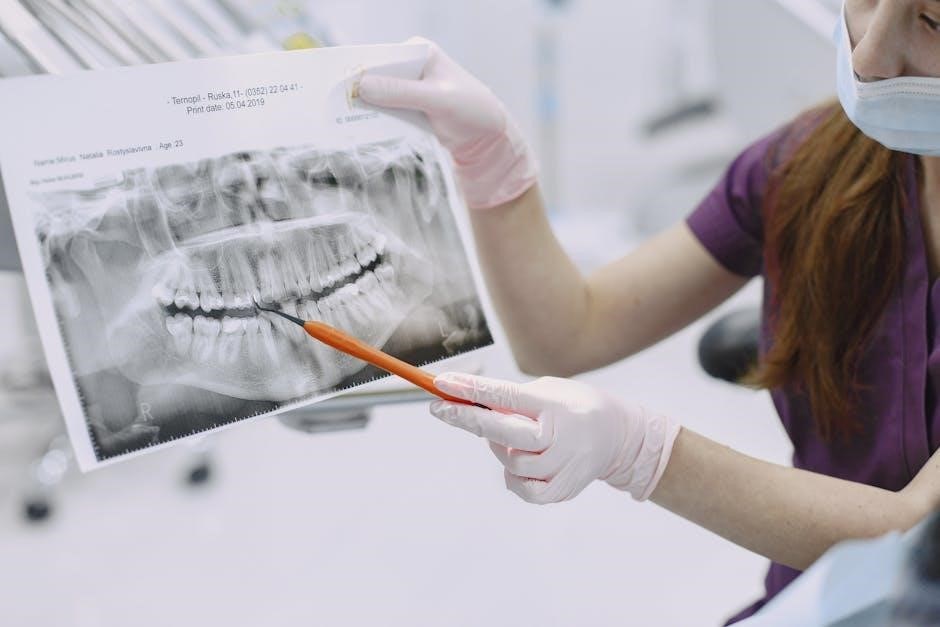
This stage often requires more intensive periodontal treatment, potentially including scaling and root planing alongside local delivery of antimicrobials․ Patient risk factors begin to play a more significant role in disease progression․

While tooth loss isn’t necessarily widespread, the potential for future loss increases․ Effective management focuses on controlling inflammation, reducing pocket depths, and improving patient compliance with maintenance therapy to prevent further deterioration․
Stage III: Severe Attachment Loss
Stage III periodontitis signifies severe attachment loss, measuring 5-6mm․ Radiographic bone loss is substantial, extending beyond the middle third of the root․ Deeper pocket depths, generally 6-8mm, and increased bleeding on probing are characteristic clinical findings․
Tooth loss begins to become more apparent, impacting function and aesthetics․ Treatment at this stage often necessitates surgical intervention, such as guided tissue regeneration or bone grafting, alongside meticulous non-surgical therapy․
Managing Stage III requires a comprehensive approach, addressing both the inflammatory component and the structural damage․ Patient risk factors are critically important, and long-term maintenance is essential to prevent further progression and tooth loss․
Stage IV: Advanced Periodontitis
Stage IV periodontitis represents the most severe form of the disease, characterized by attachment loss exceeding 6mm․ Radiographic bone loss is extensive, often involving a significant portion of the root or complete bone loss around affected teeth․ Deep pocketing (≥9mm) and substantial tooth mobility are common clinical signs;
Significant tooth loss has already occurred, impacting mastication, speech, and overall quality of life․ Treatment focuses on managing the remaining teeth and preventing further destruction․ Surgical interventions are frequently required, but prognosis is often guarded․
This stage demands intensive periodontal care and a strong emphasis on patient compliance․ Maintaining stability and preventing further tooth loss are primary goals, often involving interdisciplinary approaches․
Grading of Periodontitis
Periodontal grading assesses risk factors and rate of progression, categorizing patients as Grade A (minimal risk), B (moderate), or C (high risk) for disease advancement․
Grade A: Minimal Risk
Grade A signifies minimal risk, characterized by a lack of rapid progression and limited inflammatory destruction․ Patients falling into this category typically exhibit controlled risk factors and demonstrate a favorable response to initial periodontal therapy․ This grade suggests a relatively stable periodontal condition with a low likelihood of further attachment or bone loss in the foreseeable future․
However, consistent monitoring and diligent oral hygiene practices remain crucial for maintaining periodontal health and preventing disease reactivation․ While the risk is minimal, Grade A does not equate to complete immunity; ongoing preventative measures are essential․ Clinicians should emphasize patient education regarding proper oral hygiene techniques and the importance of regular professional maintenance appointments to sustain the positive outlook associated with this grade․
Grade B: Moderate Risk
Grade B indicates a moderate risk of periodontitis progression, suggesting a detectable, though not rapidly accelerating, inflammatory response and potential for further attachment or bone loss․ Patients in this grade often present with some uncontrolled risk factors, such as smoking or a history of less-than-optimal oral hygiene․ A more frequent monitoring schedule and potentially more aggressive therapeutic interventions are generally warranted․
This grade necessitates a comprehensive approach to patient management, addressing both local factors (plaque control) and systemic influences․ Clinicians should focus on optimizing patient compliance with oral hygiene instructions and managing any underlying medical conditions that may contribute to disease progression․ Careful reassessment is vital to determine if the condition stabilizes or escalates towards a higher risk category․
Grade C: High Risk
Grade C signifies a high risk of further periodontitis progression, characterized by a pronounced and rapidly accelerating inflammatory response․ These patients demonstrate significant, uncontrolled risk factors – potentially including poorly managed diabetes, heavy smoking, or genetic predisposition – leading to rapid attachment and bone loss․ A proactive and intensive treatment approach is crucial to mitigate further damage․
Management of Grade C periodontitis demands frequent monitoring, often at intervals of 3-4 months, alongside aggressive periodontal therapy․ Patient education regarding risk factor modification is paramount, and referral to specialists may be necessary to address systemic conditions․ The prognosis for tooth retention is often guarded, and maintaining stability requires unwavering patient commitment and skilled clinical intervention․
Key Factors in Staging
Staging relies on attachment loss, radiographic bone loss, and notably, tooth loss, providing a comprehensive assessment of disease severity and complexity for accurate classification․
Attachment Loss as a Primary Indicator
Attachment loss stands as a cornerstone in determining the stage of periodontitis, reflecting the cumulative destruction of the supporting tissues around teeth․ The 2018 classification emphasizes its critical role, moving beyond solely relying on probing depths․ Clinicians meticulously measure the distance from the cementoenamel junction to the base of the pocket, revealing the extent of past periodontal destruction․
This measurement, combined with radiographic bone loss assessment, provides a more holistic view of disease progression․ Different stages – I to IV – are defined by specific attachment loss thresholds․ For instance, Stage I involves ≤2mm of attachment loss, while Stage IV signifies ≥9mm․ Accurate measurement and documentation of attachment loss are therefore paramount for correct staging and subsequent treatment planning, directly impacting prognosis and patient care․
Radiographic Bone Loss Assessment
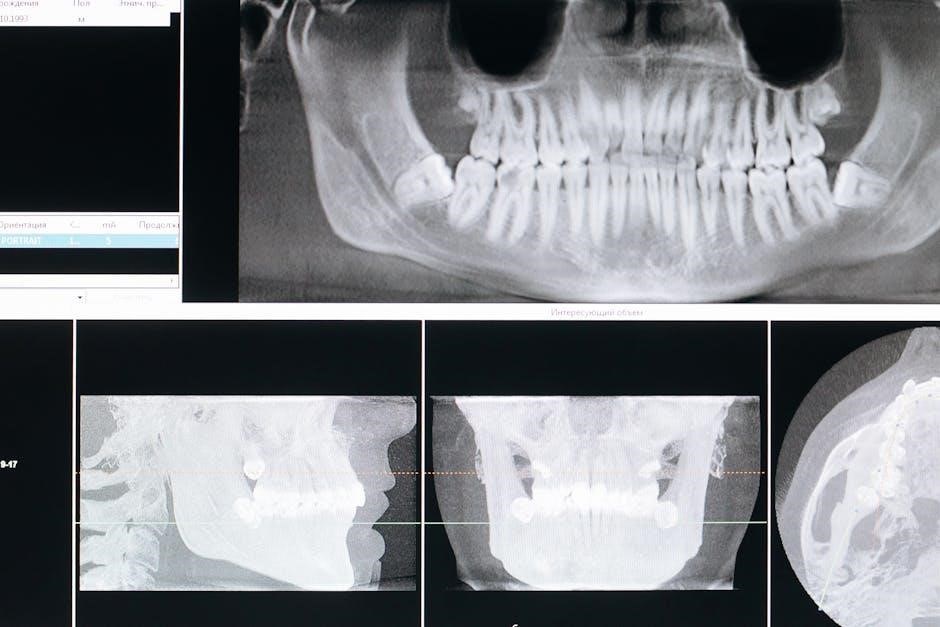
Radiographic bone loss complements attachment loss evaluation in staging periodontitis, offering a visual representation of alveolar bone destruction․ The 2018 classification recognizes its importance, advocating for standardized radiographic techniques for accurate assessment․ Percentage of bone loss relative to tooth length is a key metric, aiding in differentiating stages․
Horizontal and vertical bone loss patterns are also considered, influencing staging decisions․ While attachment loss reflects past destruction, radiographic analysis reveals current bone levels․ This combined approach provides a comprehensive understanding of disease severity․ It’s crucial to note that radiographs should be interpreted alongside clinical findings, as they don’t always perfectly correlate with attachment levels․ Accurate radiographic interpretation is vital for effective treatment planning and monitoring disease progression․
Tooth Loss and its Impact on Staging
Tooth loss is a critical criterion, particularly when differentiating between periodontitis stages, as highlighted by the 2018 classification․ It directly influences staging, often elevating a case to a more advanced level․ The number of teeth lost, and the pattern of loss (localized or generalized), are both important considerations․
Stage III and IV periodontitis specifically incorporate tooth loss into their definitions․ Significant tooth loss indicates a more severe and irreversible stage of the disease․ Assessing tooth loss history, alongside attachment and bone loss, provides a holistic view of disease progression․ It’s essential to document the reason for tooth loss – whether due to periodontitis or other factors – for accurate staging․ Ultimately, tooth loss signifies a substantial impact on function and aesthetics․

Key Factors in Grading
Grading assesses risk and rate of progression, considering factors like patient risk, inflammatory response, and disease dynamics for personalized treatment planning․
Rate of Progression
Assessing the rate of periodontitis progression is crucial for accurate grading, moving beyond simply defining disease severity․ The 2018 classification emphasizes evaluating how quickly attachment and bone loss occur over time․ This dynamic aspect informs prognosis and treatment intensity․ A rapid rate of progression typically indicates a higher grade, demanding more aggressive intervention․
Clinicians must meticulously document attachment levels and radiographic bone loss at multiple intervals to determine the progression rate․ This historical data provides valuable insight into the disease’s behavior․ Factors influencing progression include host response, bacterial virulence, and patient compliance with therapy․ Determining if the disease is stable, slowly progressive, or rapidly progressive is key to assigning the appropriate grade – A, B, or C – and tailoring a personalized treatment plan․
Patient Risk Factors
Identifying patient-specific risk factors is integral to accurate periodontitis grading within the 2018 classification system․ These factors significantly influence disease susceptibility and progression, impacting the assigned grade․ Systemic conditions like diabetes, cardiovascular disease, and respiratory illnesses elevate risk, potentially shifting a grade upwards․
Lifestyle choices, such as smoking, also play a substantial role, exacerbating inflammation and hindering healing․ Genetic predisposition and immune deficiencies further contribute to individual vulnerability․ A thorough medical and social history is therefore essential․ Recognizing these risk factors allows clinicians to anticipate potential challenges, modify treatment strategies, and emphasize preventative measures, ultimately improving long-term outcomes and managing patient expectations effectively․
Inflammatory Response
Assessing the inflammatory response is crucial for accurate periodontitis grading, as it directly correlates with disease activity and potential for progression․ The 2018 classification emphasizes evaluating clinical signs of inflammation, including bleeding on probing, suppuration, and redness․ Elevated levels of inflammatory mediators, detectable through advanced diagnostics, can indicate a heightened risk profile․
A robust inflammatory response often signifies a more aggressive disease course, potentially warranting a higher grade assignment․ Conversely, minimal inflammation may suggest a more stable condition․ Understanding the patient’s individual inflammatory profile allows for tailored treatment approaches, focusing on controlling inflammation and preventing further tissue destruction․ Monitoring inflammatory markers throughout treatment aids in evaluating therapeutic efficacy․

Clinical Application and Diagnostic Challenges
Implementing the 2018 classification in daily practice presents several challenges, particularly for clinicians less familiar with the nuanced criteria․ Diagnostic inconsistencies can arise, especially when differentiating between stages and grades, as highlighted by research noting difficulties for inexperienced practitioners․ Accurate probing depths, attachment loss measurements, and radiographic interpretation are essential, yet subjective variations exist․
Standardizing protocols and ongoing training are vital to improve inter-examiner reliability․ The system’s complexity necessitates a thorough understanding of all parameters․ Utilizing technology, like digital imaging and periodontal probes with data logging, can enhance precision․ Careful documentation and a holistic patient assessment are key to successful application of this classification system․