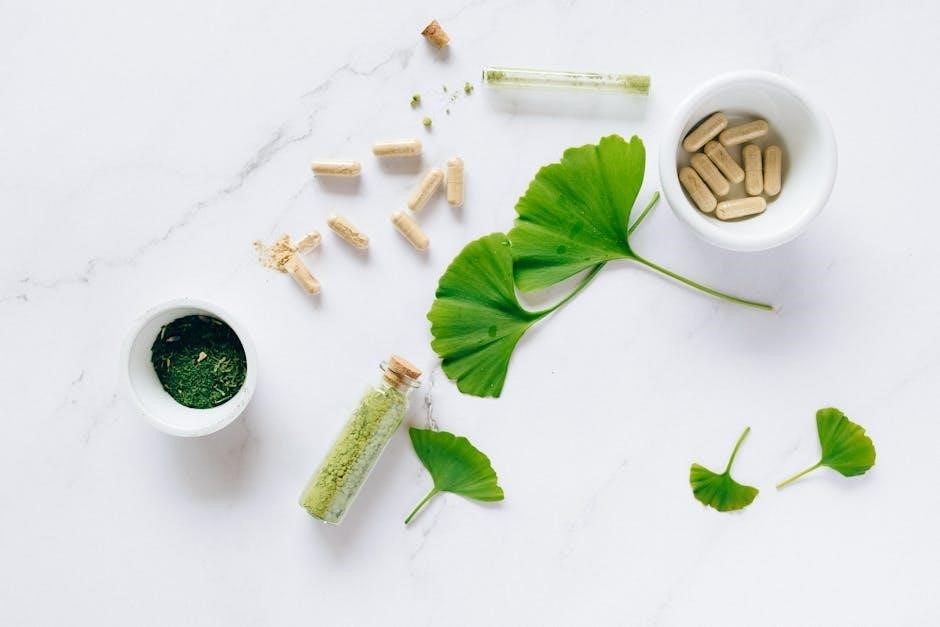

Discover ancient wisdom and modern techniques for holistic wellness! This guide explores Ayurveda, TCM, herbal remedies, and lifestyle practices for optimal health, resonating with today’s needs.
A paradigm shift is underway in healthcare, with increasing numbers turning to natural healing modalities. Driven by a desire for preventative care and holistic well-being, individuals are seeking alternatives to conventional medicine. This resurgence acknowledges the body’s innate ability to heal itself, emphasizing balance and addressing root causes.
Modern lifestyles, often characterized by stress and processed foods, contribute to chronic ailments, fueling this movement. Natural healing offers empowering tools for self-care and a deeper connection to one’s health.
What is Natural Healing? Defining Holistic Wellness
Natural healing encompasses a diverse range of therapies that support the body’s self-healing capabilities. It’s a holistic approach, considering the interconnectedness of physical, emotional, mental, and spiritual well-being. Unlike solely treating symptoms, it aims to identify and address underlying imbalances.
This philosophy emphasizes prevention, lifestyle adjustments, and utilizing natural resources – herbs, nutrition, and mind-body practices – to restore optimal health and vitality.
Ayurveda: The Ancient Indian System
Ayurveda, meaning “the science of life,” is a 5,000-year-old holistic healing system originating in India. It views health as a delicate balance between mind, body, and spirit, deeply connected to the universe. Increasingly popular globally, Ayurveda offers personalized approaches to wellness.
Its core principle is preventing illness through lifestyle and dietary choices tailored to individual constitutions.
Principles of Ayurveda – Doshas and Balance
Central to Ayurveda are the three doshas: Vata, Pitta, and Kapha – energies governing physiological and psychological functions. Each individual possesses a unique combination, determining their constitution (Prakriti).
Illness arises from dosha imbalances (Vikriti). Restoring equilibrium through diet, lifestyle, and herbal remedies is key to Ayurvedic healing, promoting overall well-being.
Ayurvedic Diet and Lifestyle Recommendations
Ayurveda emphasizes personalized nutrition based on your dosha. Warm, cooked foods are generally favored, alongside mindful eating practices. Daily routines (Dinacharya) – including early rising, oil massage (Abhyanga), and regular exercise – are crucial.
Prioritizing sleep, managing stress, and connecting with nature further support dosha balance and promote vibrant health, aligning with Ayurvedic principles.
Traditional Chinese Medicine (TCM)
Traditional Chinese Medicine (TCM), a comprehensive system developed over millennia, views health as the harmonious flow of Qi (vital energy). Diagnosis involves pulse reading, tongue observation, and symptom analysis.
TCM utilizes acupuncture, herbal medicine, and lifestyle adjustments to restore balance and address the root causes of illness, promoting overall well-being and longevity.
Yin and Yang: The Core of TCM Philosophy
Yin and Yang represent opposing yet complementary forces that govern all aspects of the universe, including the human body. Yin embodies qualities like coolness, passivity, and darkness, while Yang signifies warmth, activity, and light.
Health thrives when Yin and Yang are balanced; imbalance leads to illness. TCM aims to restore this equilibrium through various therapeutic modalities.
Acupuncture and Acupressure Techniques
Acupuncture involves inserting thin needles into specific points along energy pathways (meridians) to stimulate healing. Acupressure utilizes manual pressure on these same points, offering a non-invasive alternative.
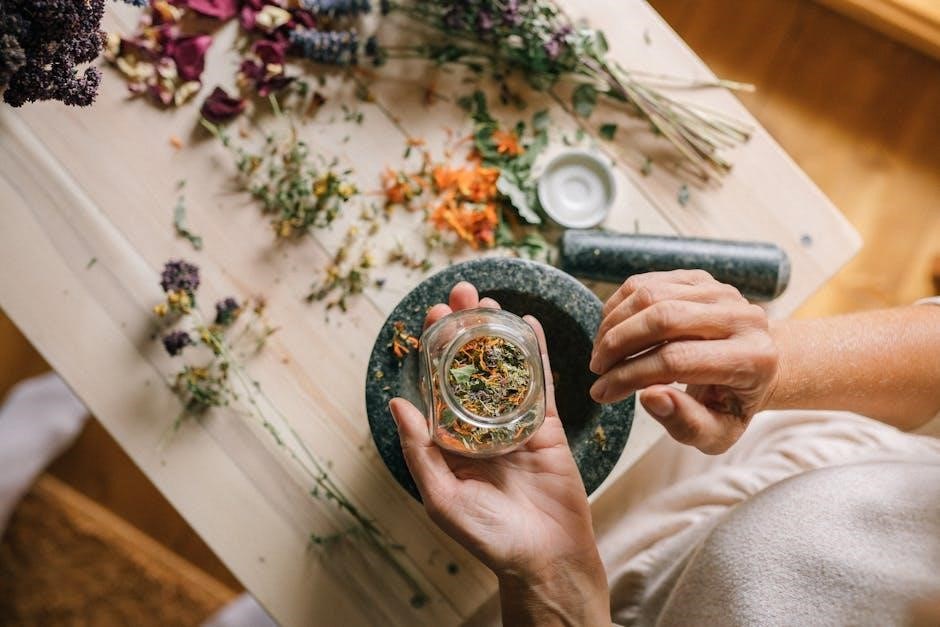
Both techniques aim to unblock energy flow, restore balance, and alleviate pain. They are frequently used to address a wide range of conditions, promoting the body’s natural restorative abilities.
Herbal Medicine: Nature’s Pharmacy
Herbal medicine harnesses the therapeutic power of plants, offering a time-honored approach to wellness. For centuries, cultures worldwide have utilized botanicals to treat ailments and promote health;
From soothing chamomile to potent turmeric, nature provides a vast “pharmacy.” However, responsible use is crucial; understanding potential interactions and sourcing quality herbs are paramount for safe and effective treatment.
Popular Healing Herbs and Their Uses
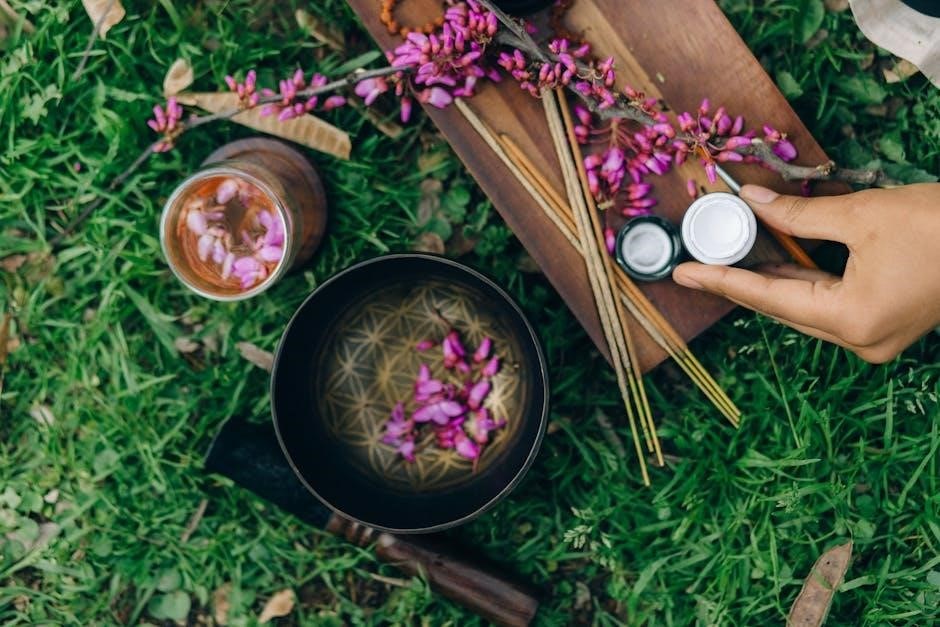
Explore nature’s potent remedies! Echinacea boosts immunity, while ginger soothes digestion and reduces inflammation. Lavender calms the nervous system, promoting relaxation and better sleep. Turmeric, with curcumin, is a powerful anti-inflammatory and antioxidant.
St. John’s Wort may aid with mild depression, but interacts with medications. Always research and consult a healthcare professional before using any herbal remedy.
Safety Considerations and Potential Interactions
Prioritize caution with herbal remedies! Herbs can interact with prescription medications, altering their effectiveness or causing adverse effects. Always inform your doctor about any supplements you’re taking.
Pregnancy and breastfeeding require extra care; some herbs are contraindicated. Source herbs from reputable suppliers to ensure quality and purity, avoiding potential contaminants.
Nutrition for Healing: Food as Medicine
Embrace the power of food to nourish and heal! A nutrient-rich diet is foundational to natural healing, supporting the body’s innate ability to restore balance. Focus on whole, unprocessed foods – fruits, vegetables, lean proteins, and healthy fats.
Prioritize anti-inflammatory foods and understand the crucial gut-brain connection for overall wellness.
Anti-Inflammatory Diet: Reducing Systemic Inflammation
Combat chronic inflammation through dietary choices! Incorporate foods rich in antioxidants and omega-3 fatty acids – berries, leafy greens, fatty fish, and turmeric. Limit processed foods, sugar, and unhealthy fats, which fuel inflammation.
This dietary shift supports immune function and reduces the risk of various health issues, promoting long-term vitality.
The Gut-Brain Connection and Probiotic Foods
A healthy gut is crucial for mental and physical wellbeing! The gut microbiome profoundly influences brain function via the gut-brain axis. Nourish this connection with probiotic-rich foods like yogurt, kefir, sauerkraut, and kimchi.
These foods promote beneficial bacteria, improving digestion, mood, and overall health, fostering a harmonious internal ecosystem.
Mind-Body Practices for Natural Healing
Harness the power of your mind and body for profound healing! Techniques like meditation and mindfulness reduce stress and enhance self-awareness.
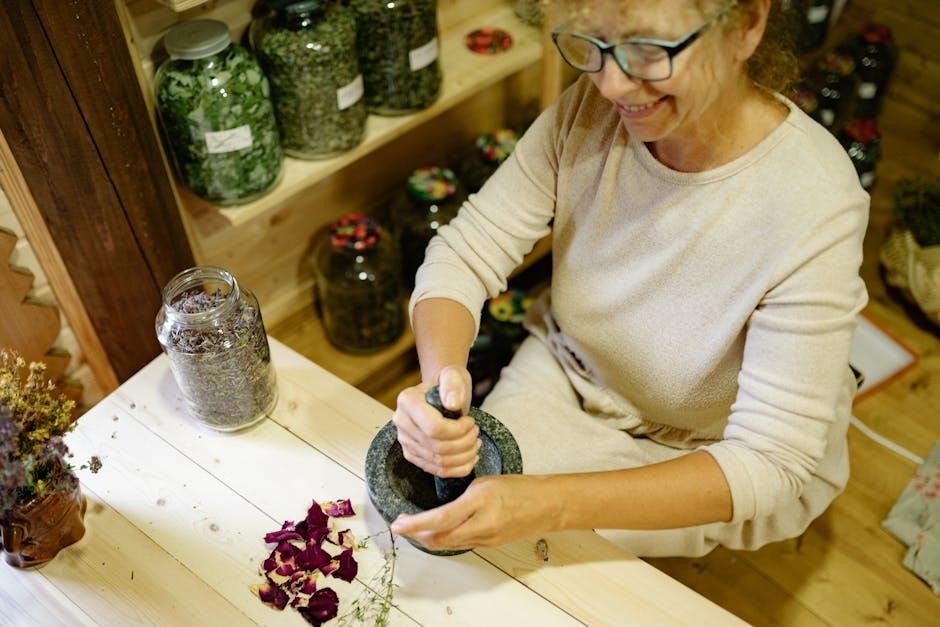
Yoga and Tai Chi combine movement, breathwork, and meditation, promoting physical flexibility, emotional balance, and a deeper connection to your inner self, fostering holistic wellness.
Meditation and Mindfulness Techniques
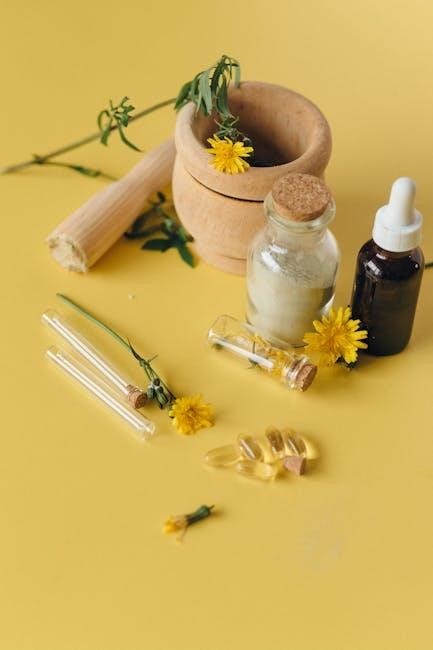
Cultivate inner peace and reduce stress through focused awareness. Simple meditation techniques, like breath awareness, can calm the mind and promote emotional regulation.
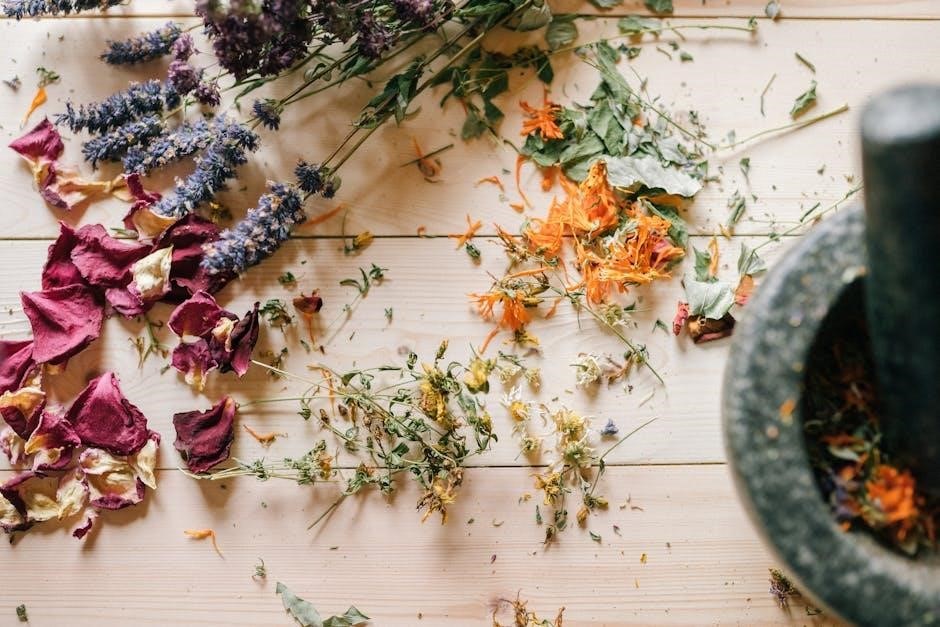
Mindfulness involves paying attention to the present moment without judgment, enhancing self-awareness and reducing reactivity. Regular practice fosters resilience and supports overall well-being, aiding natural healing.
Yoga and Tai Chi: Movement and Breathwork
Enhance vitality and balance with gentle, flowing movements. Yoga combines physical postures, controlled breathing (pranayama), and meditation, improving flexibility, strength, and mental clarity.
Tai Chi, a Chinese martial art, emphasizes slow, deliberate movements and deep breathing, promoting energy flow (Qi) and reducing stress. Both practices support the body’s natural healing capabilities.
Hydrotherapy: The Healing Power of Water
Harness water’s therapeutic properties for rejuvenation and pain relief. Hydrotherapy utilizes hot and cold applications to stimulate circulation, reduce inflammation, and promote detoxification.
From invigorating cold showers to soothing warm baths with Epsom salts, water therapy supports the body’s innate healing mechanisms. Mineral baths and spa treatments offer further benefits, enhancing relaxation and overall wellness.
Hot and Cold Therapy Applications
Contrast therapy, alternating between hot and cold, is a powerful hydrotherapy technique. Heat relaxes muscles and increases blood flow, while cold reduces inflammation and numbs pain.
Applying warm compresses for muscle tension followed by a cold pack can provide significant relief. Cold plunges and ice packs are ideal for acute injuries. Always consult a healthcare professional before starting any new therapy.
Benefits of Mineral Baths and Spa Treatments
Mineral-rich waters offer therapeutic advantages beyond relaxation. Magnesium, calcium, and potassium absorbed through the skin can soothe muscles, reduce stress, and improve circulation.
Spa treatments like mud wraps and seaweed baths detoxify the body and nourish the skin. Hydrotherapy, combined with massage, promotes lymphatic drainage and overall well-being. These practices support the body’s natural healing processes.
Aromatherapy: Essential Oils for Wellness
Harness the potent power of plants through aromatherapy! Essential oils, extracted from flowers, leaves, and roots, offer a natural approach to enhancing physical and emotional health.
These concentrated botanical extracts can be inhaled, applied topically (with dilution), or used in diffusers. Aromatherapy supports stress reduction, improved sleep, and boosted immunity, offering a holistic pathway to wellness.
Top Essential Oils for Stress, Sleep, and Immunity
Lavender is renowned for its calming properties, promoting relaxation and better sleep. Tea Tree oil boasts powerful antiseptic qualities, bolstering immunity. Eucalyptus aids respiratory health and provides invigorating energy.
Chamomile eases anxiety and encourages tranquility, while Lemon uplifts mood and supports detoxification. Remember to always dilute essential oils with a carrier oil before topical application for safe and effective use.
Safe Usage and Dilution Guidelines
Essential oils are potent; always dilute them with a carrier oil like jojoba, almond, or coconut oil before applying to the skin. A general guideline is 1-3% dilution – 5-15 drops per ounce of carrier oil.
Perform a patch test before widespread use to check for sensitivities. Avoid internal consumption unless under the guidance of a qualified aromatherapist. Keep oils away from eyes and mucous membranes.
Homeopathy: The Law of Similars
Homeopathy operates on the “like cures like” principle, utilizing highly diluted substances to stimulate the body’s self-healing abilities. Remedies are chosen based on individual symptom presentation, not just the disease label.
This gentle approach aims to address the root cause of illness, promoting long-term wellness. Finding a qualified and experienced homeopath is crucial for accurate diagnosis and remedy selection.
Principles of Homeopathic Treatment
Homeopathic treatment is highly individualized, considering the patient’s physical, emotional, and mental state. The “law of similars” dictates using substances that create similar symptoms in a healthy person to cure illness.
Potency, or dilution, is key; higher dilutions are believed to enhance healing power. Remedies are administered as tiny pellets or liquids, and treatment focuses on stimulating the body’s vital force for self-recovery.
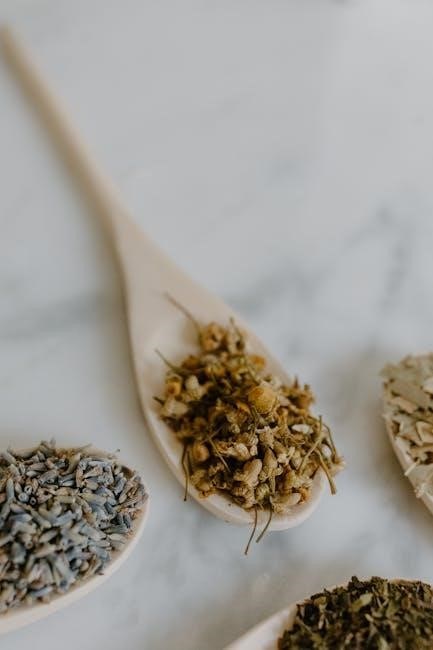
Finding a Qualified Homeopath
Selecting a skilled homeopath is crucial for effective treatment. Look for practitioners with certification from recognized homeopathic organizations, demonstrating comprehensive training and adherence to ethical standards.
Consider experience and specialization; some homeopaths focus on specific conditions. Check for licensing where applicable and seek recommendations from trusted sources. A thorough initial consultation is vital to assess suitability and build rapport.
Detoxification: Supporting the Body’s Natural Cleansing Processes
Detoxification aids the body’s inherent ability to eliminate toxins. Gentle methods, like liver and kidney support through specific foods and herbs, are preferred over harsh cleanses.
Prioritize hydration with pure water and increase fiber intake to promote regular bowel movements. Supporting these natural pathways enhances overall wellness. Avoid excessive processed foods and prioritize nutrient-rich options for optimal cleansing.
Gentle Detox Methods: Liver and Kidney Support
Nurturing the liver and kidneys is crucial for effective detoxification. Incorporate foods like dandelion greens, artichokes, and beetroot to support liver function. Cranberries and parsley aid kidney health by promoting fluid balance.
Hydration is key; drink plenty of water. Consider milk thistle as a gentle herbal support for the liver. Avoid alcohol and processed foods to minimize the burden on these vital organs.
The Role of Hydration and Fiber
Optimal hydration and fiber intake are foundational for detoxification and gut health. Water assists in flushing out toxins via urine and sweat, while fiber promotes regular bowel movements, eliminating waste efficiently.
Aim for at least eight glasses of water daily and incorporate fruits, vegetables, and whole grains rich in fiber. This supports a healthy microbiome, crucial for overall wellness and natural healing processes.
Natural Healing for Common Ailments
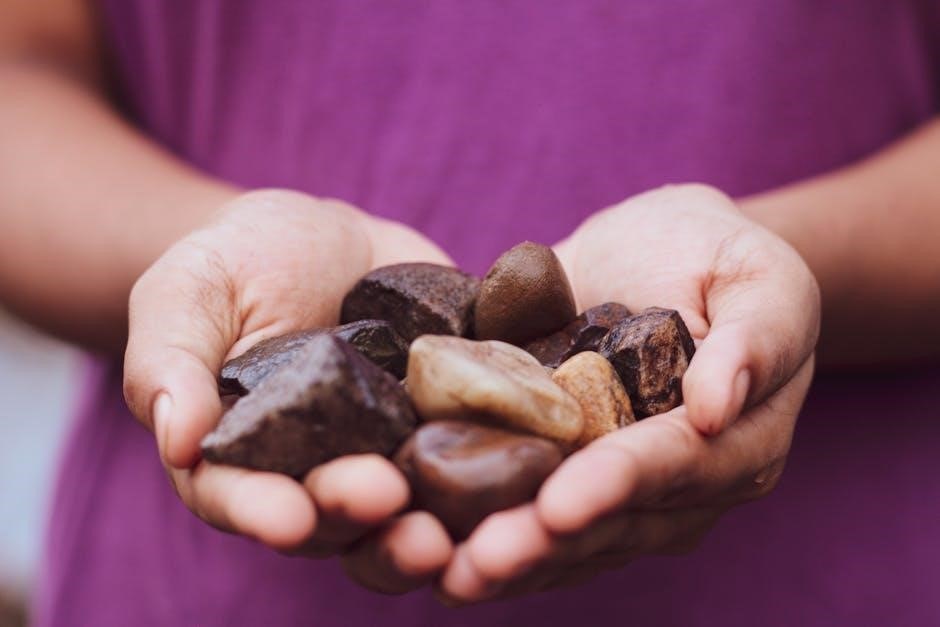
Many everyday health concerns can be addressed with natural remedies. For colds and flu, consider elderberry, vitamin C, and rest. Digestive issues often respond well to probiotics, ginger, and peppermint tea.
Prioritize whole foods and mindful practices to support the body’s innate healing abilities. Remember to consult a healthcare professional for persistent or severe symptoms.
Natural Remedies for Cold and Flu
Boost your immune system naturally during cold and flu season! Elderberry syrup is renowned for its antiviral properties, while vitamin C supports immune function. Rest is paramount, allowing your body to focus on healing.
Hydration with herbal teas and warm broth soothes symptoms. Consider ginger and honey for cough relief. Always consult a doctor for severe cases.
Addressing Digestive Issues Naturally
Restore gut health with natural approaches! Probiotic-rich foods like yogurt and kefir support a healthy microbiome. Ginger aids digestion and reduces nausea, while peppermint tea soothes bloating.
Fiber-rich diets promote regularity. Chamomile can calm intestinal discomfort. Identifying food sensitivities is key; consider an elimination diet. Consult a healthcare professional for persistent issues.
The Importance of Lifestyle Factors
Lifestyle profoundly impacts healing! Prioritize seven to nine hours of quality sleep nightly to allow the body to repair and rejuvenate. Implement effective stress management techniques – meditation, deep breathing, or spending time in nature – to lower cortisol levels.
Regular gentle exercise and a balanced diet further enhance well-being. These foundational habits are crucial for supporting natural healing processes and overall vitality.
Sleep Hygiene and its Impact on Healing
Prioritizing sleep is paramount for natural healing. Establish a regular sleep schedule, creating a relaxing bedtime routine – a warm bath, reading, or gentle stretching. Ensure a dark, quiet, and cool sleep environment.
Avoid screen time before bed and limit caffeine/alcohol intake. Adequate sleep boosts immune function, reduces inflammation, and supports the body’s restorative processes.
Stress Management Techniques
Chronic stress hinders the body’s natural healing abilities. Implement techniques like deep breathing exercises, progressive muscle relaxation, and mindfulness meditation to calm the nervous system.
Engage in enjoyable activities – spending time in nature, listening to music, or pursuing hobbies – to reduce cortisol levels. Prioritizing self-care is essential for overall well-being and supports the healing process.
Integrating Natural Healing with Conventional Medicine
A synergistic approach yields the best results. Natural healing isn’t about replacing conventional medicine, but complementing it. Open communication with healthcare professionals is crucial when incorporating natural therapies.
Discuss your chosen methods – herbs, supplements, or lifestyle changes – to ensure they won’t interfere with existing treatments. This collaborative strategy fosters a more comprehensive and personalized wellness journey.
Working with Healthcare Professionals
Transparency is paramount for safe integration. Inform your doctor about all natural therapies you’re using, including herbs, supplements, and mind-body practices.
Seek practitioners who are open-minded and willing to collaborate. A team approach allows for informed decisions, minimizing risks and maximizing benefits. Don’t self-treat serious conditions; professional guidance is essential;
A Complementary Approach to Wellness
Natural healing isn’t about replacing conventional medicine, but enhancing it. View these modalities as tools to support your body’s innate healing capabilities alongside traditional treatments.
This integrated strategy can potentially reduce reliance on pharmaceuticals, manage side effects, and improve overall well-being. Prioritize a holistic perspective, addressing the root causes of illness for lasting health.
Resources for Further Exploration
Dive deeper into the world of natural healing with these valuable resources! Explore reputable websites like the National Center for Complementary and Integrative Health (NCCIH) for evidence-based information.
Seek out books by leading experts in Ayurveda, TCM, and herbalism. Consider workshops and courses to gain practical skills. Remember to critically evaluate sources and consult qualified practitioners.